



Published on: June 18, 2026
When most people hear the word “rejection,” they think of organ transplants, where the immune system attacks foreign tissue. That’s not what happens with dental implants.
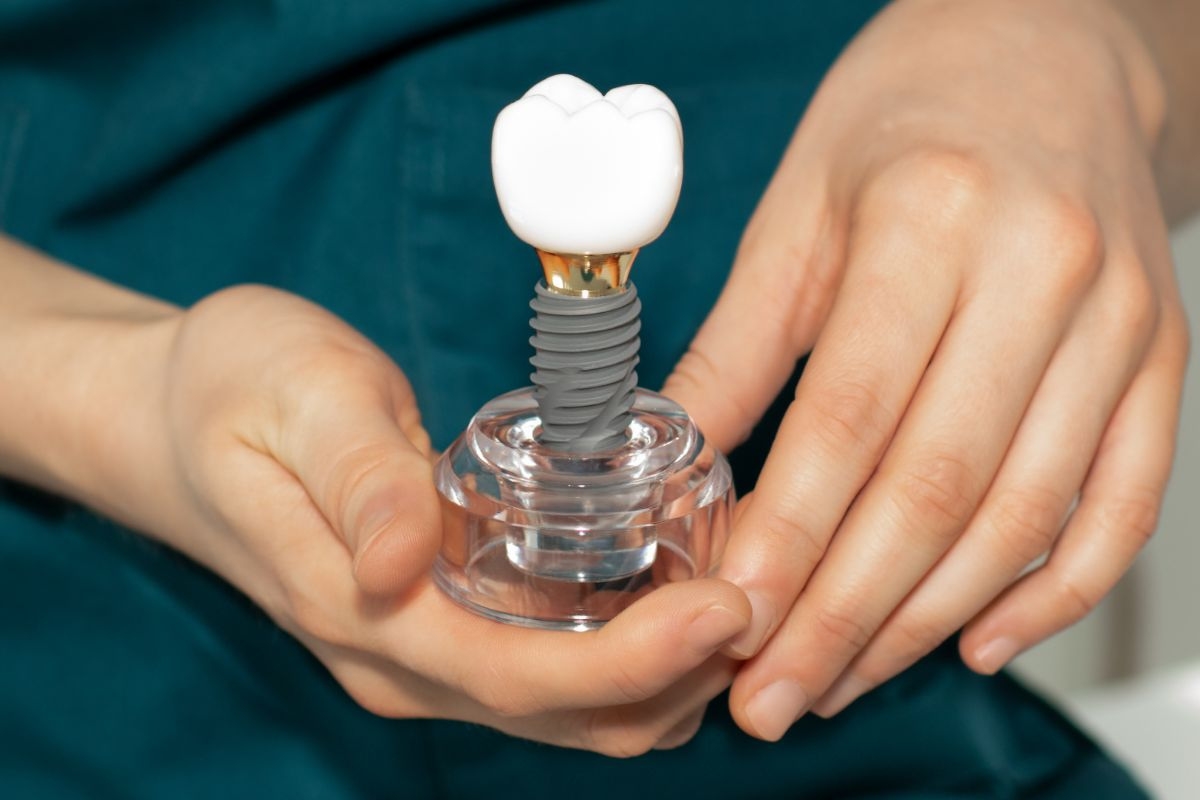
Implants are made from medical-grade titanium, a material that’s been proven to be highly biocompatible. That means your body doesn’t recognize it as a threat. True immune rejection simply doesn’t occur with titanium implants.
So what does happen when an implant fails? It usually comes down to one thing: the implant doesn’t bond properly with the jawbone, a process called osseointegration. When that process gets disrupted, the implant can become loose, infected, or unstable. That’s what most people mean when they ask, “Can dental implants be rejected?”
At Modern Dental Cape Coral, Dr. Gregory A. Pette and Dr. Xavier Carty routinely evaluate implant healing and manage early signs of complications to protect long-term outcomes. If you are considering implants or noticing unusual symptoms after placement, it is important to visit our dental office for a timely evaluation before minor concerns progress.
What Is Dental Implant Failure, Exactly?
Implant failure falls into two categories:
- Early failure happens within the first few months, before the implant has fully fused with the bone. This is usually tied to infection, poor healing, or surgical complications.
- Late failure develops after the implant has already integrated, sometimes years later. This is often caused by long-term gum disease, bone loss, or chronic health conditions.
In both cases, the root cause tends to be biological or mechanical, not your immune system attacking the titanium.
Why do Dental Implants Fail
Implants don’t usually fail out of nowhere. Here are the most common culprits:
- Infection around the implant site: Bacteria can get into the gum tissue surrounding the implant. This is called peri-implantitis, and it’s one of the leading causes of implant failure. Think of it like gum disease, but around an implant instead of a natural tooth.
- Not enough bone density: Implants need strong, healthy bone to anchor into. If your jawbone is too thin or too soft, the implant may not get the grip it needs to stay stable over time.
- Smoking: Tobacco restricts blood flow, which your body needs to heal. Smokers have a significantly higher risk of implant failure, especially during the first few months after placement.
- Uncontrolled diabetes or other health conditions: Certain systemic conditions can slow down healing or make you more vulnerable to infection. If your blood sugar isn’t well-managed going into implant surgery, your recovery will likely be harder.
- Poor oral hygiene: Bacteria thrive when teeth and gums aren’t cleaned consistently. Around a healing implant, that buildup can trigger the very inflammation that derails osseointegration.
- Too much pressure during healing: Biting down too hard on a new implant, or eating the wrong foods too soon, can prevent the bone from bonding properly. Following your dentist’s post-op instructions to the letter really does matter.
Warning Signs You Shouldn’t Ignore
Most implant complications don’t sneak up on you. Your body usually gives you early warning signals. Here’s what to look out for:
- Persistent pain: Some discomfort after surgery is completely normal. But if the pain isn’t improving, or it gets worse after the first few days, that’s a red flag.
- Swelling or redness around the gum: A little swelling right after surgery is expected. Swelling that lingers or keeps coming back is not.
- A loose-feeling crown or implant: If something feels “off” when you bite down, or the restoration feels wobbly, don’t wait to call your dentist.
- Bad taste or discharge: This can signal infection, and it needs prompt attention.
- Soreness when chewing: Especially if it gets worse over time rather than better.
The earlier you catch these signs, the better your chances of saving the implant. Many early-stage complications can be treated without removing the implant entirely.
What Happens If a Dental Implant Fails?
A failed implant isn’t necessarily the end of the road.
For early-stage complications, your dentist may be able to resolve the issue with a deep cleaning, antibiotics, or targeted infection control. No surgery required.
If there’s been bone loss around the implant, a bone grafting procedure may be needed to rebuild the area before anything else can be done.
In more advanced cases, the implant may need to be removed. Once the site heals completely, which usually takes a few months, a new implant can often be placed. Most patients who go through this process end up with a successful outcome the second time around.
For people asking how dentists fix failed implants, our implant specialists at Modern Dental Cape Coral take a conservative approach. The goal is always to preserve as much natural bone as possible and find the least invasive solution that actually works for your situation.
How to Protect Your Implant Long-Term
The best way to deal with implant failure is to prevent it from happening in the first place. These habits make a real difference:
- Brush twice a day and floss daily: Yes, even around your implant. Plaque doesn’t care whether the tooth is natural or artificial.
- Quit smoking: Avoid smoking, or at least stop during the healing phase. Your implant’s odds of success improve significantly without tobacco in the picture.
- Keep your follow-up appointments: Your dentist can spot early warning signs on an X-ray long before you feel any symptoms.
- Manage your overall health: If you have diabetes, high blood pressure, or other conditions, keeping them under control directly supports your healing.
- Follow post-op instructions carefully: Especially regarding what you eat and what activities you avoid in the first few weeks after surgery.
Taking the Right Approach to Implant Complications
Dental implants have one of the highest long-term success rates of any restorative dental procedure, but they do require consistent care and attention, especially in the months right after surgery. Your body isn’t out to reject your implant, but it does need the right conditions to heal properly.
If you’re noticing any unusual symptoms after your implant placement, or wondering whether implants are the right choice for your situation, the smartest move is to get a professional evaluation sooner rather than later.
Dr. Pette and Dr. Carty at Modern Dental Cape Coral are here to help you understand your options and protect your long-term oral health. Book a consultation today to get personalized answers and a care plan built around your specific needs.
Frequently Asked Questions
Can a dental implant be rejected by the body?
Not in the traditional sense. Implants are made from biocompatible titanium, which your immune system doesn’t attack. What people call “rejection” is usually failed bone integration or an infection around the implant.
How do I know if my implant is failing?
Watch for persistent or worsening pain, swelling, redness, a bad taste, discharge, or any looseness around the implant. If anything feels off, schedule an evaluation right away.
Is some pain after implant surgery normal?
Yes, mild soreness for a few days after placement is completely expected. Pain that gets worse over time or doesn’t go away is a sign that something may be wrong.
Can a failed implant be replaced?
In most cases, yes. Once the area has healed and bone has been restored (if necessary), a new implant can often be placed successfully.
How long does it take for a dental implant to fully integrate?
Full osseointegration typically takes anywhere from three to six months, though this varies based on your bone density, health, and how well you follow post-op care instructions.
Who is most at risk for implant complications?
Smokers, people with uncontrolled diabetes, patients with a history of untreated gum disease, and anyone with low bone density face a higher risk. Your dentist can walk you through your personal risk level before you move forward.
When should I call my dentist after implant surgery?
Call right away if you notice worsening pain, significant swelling, a foul taste, or any movement around the implant or crown. Don’t wait for your scheduled follow-up if something feels wrong.
 Full New Patient Dental Exam and X-rays: ONLY $59!