



Published on: August 11, 2026
For patients suffering from extensive tooth loss or deteriorating dentition across Southwest Florida, full-arch restoration represents a life-changing opportunity. The ability to smile, chew, and speak naturally again restores both oral function and personal confidence.
While full-arch dental restorations boast an impressive clinical success rate exceeding 95%, implant complications can occasionally happen. Understanding the biological, mechanical, and lifestyle factors behind implant complications is essential for protecting your investment in your smile.
At Modern Dental Cape Coral, led by Dr. Gregory A. Pette, our team provides patient-focused implant care and advanced restorative procedures designed to ensure long-lasting stability for our Lee County community. To learn more about your ideal tooth replacement options, visit our dental office.
Understanding How Full-Arch Implants Work
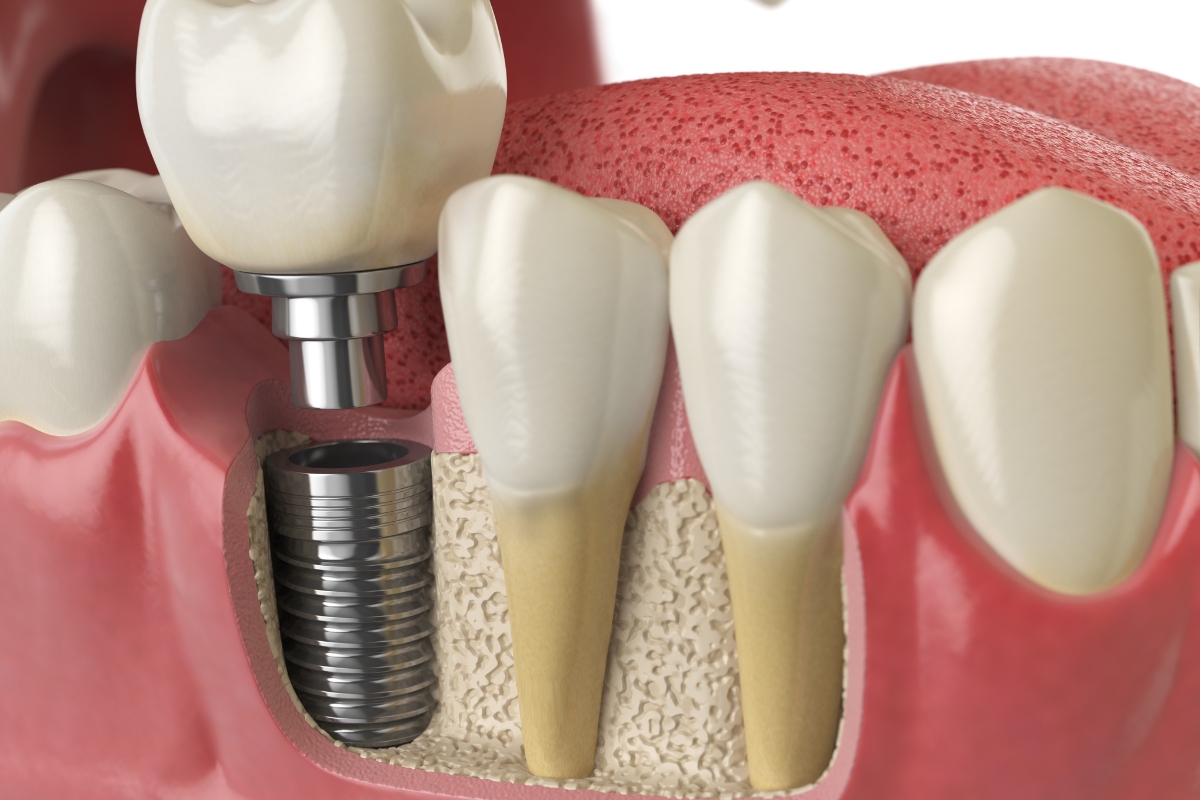
To understand why a restoration might experience complications, it helps to review how full-arch replacement systems function. Unlike traditional dentures that rest on top of the gums, this technique uses four strategically angled titanium posts embedded directly into the jawbone. These posts act as artificial roots, providing a durable foundation for a custom, full-arch bridge.
By placing the posterior posts at a 30 to 45-degree angle, oral surgeons maximize contact with available bone, frequently eliminating the need for complex bone grafting procedures. When properly planned, a customized All-on-4 tooth implant system distributes biting forces evenly across the arch. However, because all four posts support an entire bridge, the failure of even a single post can jeopardize the stability of the full restoration.
Early vs. Late Implant Complications
Dental implant complications generally fall into two distinct categories based on when they occur during the healing timeline:
- Early Failures (0 to 6 months post-surgery): These occur during the osseointegration phase, the vital period when your jawbone fuses directly to the biocompatible titanium post. If bone integration is interrupted, the post cannot achieve stability.
- Late Failures (Months or years post-surgery): These happen after successful fusion has already occurred. Late complications are usually driven by bacterial infections, mechanical strain, or shifting health conditions.
Primary Causes of All-on-4 Dental Implant Failure
Preventing full-arch complications starts with identifying the primary triggers. Here are the most common factors that contribute to All-on-4 implant failure:
Peri-Implantitis (Bacterial Infection)
Peri-implantitis is an inflammatory condition affecting the soft tissues and hard bone surrounding an active implant. Similar to advanced gum disease, peri-implantitis is triggered by plaque accumulation under the fixed bridge. Bacteria penetrate beneath the gumline, breaking down supporting bone tissue. Without immediate intervention, loss of bone support causes the titanium post to loosen.
Failure of Osseointegration
Osseointegration is the biological foundation of successful implant dentistry. If your jawbone lacks adequate density, or if blood flow to the surgical site is compromised, bone cells cannot bond effectively with the titanium surface. When bone integration fails during early healing, the implant remains unstable under functional pressure.
Surgical Errors and Poor Placement Angles
Precision is non-negotiable during full-arch implant positioning. If an implant post is placed at an incorrect angle, inserted too shallowly, or positioned in areas with deficient bone volume, biting pressures will be unevenly distributed. This surgical miscalculation increases localized mechanical stress, leading to premature bone resorption.
Occlusal Overload and Bruxism
Biting forces exert significant pressure on artificial roots. Patients who suffer from bruxism (unconscious nocturnal teeth grinding or jaw clenching) place extreme stress on both the prosthetic teeth and underlying posts. Over time, excessive force leads to mechanical strain, bone loss, or prosthetic fracture, representing one of the major implant failure causes in modern restorative dentistry.
Smoking and Tobacco Use
Smoking and nicotine use present significant risks to oral healing. Nicotine constricts blood vessels, restricting oxygen and critical nutrient delivery to healing gum tissue and jawbone in Southwest Florida patients. Smokers experience significantly higher rates of infection, delayed healing, and compromised osseointegration compared to non-smokers.
Uncontrolled Systemic Health Conditions
Systemic medical conditions that impair healing or bone metabolism increase complication risks. Uncontrolled type 2 diabetes, autoimmune disorders, osteoporosis, and ongoing cancer therapies interfere with cellular bone renewal, increasing the vulnerability of failed All-on-4 implants.
Recognizing the Warning Signs: When to Seek Attention
Recognizing early warning signs allows your dentist to intervene before irreversible bone loss takes place. Knowing the key signs of implant failure empowers you to seek treatment immediately:
- Mobility or Unsteadiness: A healthy implant bridge feels completely solid. If you notice slight movement or shifting when chewing, contact your dentist right away.
- Persistent Pain or Discomfort: Minor soreness after surgery is normal, but sharp, throbbing, or persistent pain months after treatment is a clear red flag.
- Swollen, Bleeding, or Receding Gums: Redness, swelling, suppuration (pus formation), or gum recession around the post collar indicates bacterial infection.
- Difficulty Chewing: Discomfort or inability to bite down comfortably on foods suggests biomechanical instability.
- Persistent Bad Taste or Odor: Chronic unpleasant taste originating from underneath your bridge often signifies trapped food debris and active bacterial activity.
How We Prevent and Treat Implant Complications in Cape Coral
At Modern Dental Cape Coral, prevention begins before surgery ever starts. Dr. Gregory A. Pette utilizes advanced imaging technology to map nerve pathways, evaluate jawbone density, and plan exact implant placement angles down to the millimeter. This digital precision minimizes surgical risks and maximizes bone-to-implant contact.
For patients experiencing early signs of peri-implantitis or bone loss around existing restorations, advanced treatment solutions exist. Deep surgical decontamination, localized antibiotic therapy, laser therapy, and targeted bone grafting can halt bacterial destruction and salvage your smile.
If you are experiencing discomfort, swelling, or looseness around your restoration, do not wait. Early diagnosis and intervention are critical to avoiding complete All-on-4 implant failure and preserving your oral health.
Seek Our Professional Care for Long-lasting Implant Life
While full-arch dental restorations offer an exceptional, long-term solution for restoring a healthy, functional smile, understanding the factors behind implant failure is key to ensuring lifelong success. From maintaining meticulous oral hygiene to prevent peri-implantitis, to addressing teeth grinding and visiting your dentist for routine care, taking proactive steps will keep your new smile strong and stable for decades.
If you suspect any issues with your restoration or want to learn more about full-arch tooth replacement, the team at Modern Dental Cape Coral is here to help. Contact Dr. Gregory A. Pette and our team today to schedule your consultation and keep your smile healthy, bright, and secure.
Frequently Asked Questions (FAQs)
1. Can a failed All-on-4 dental implant be replaced?
Yes. If an implant post fails, your dentist can remove it, clean the area, and allow the bone to heal. Following localized bone grafting and recovery, a replacement post can usually be reinserted safely.
2. How can I clean underneath my All-on-4 implant bridge?
Clean beneath your fixed bridge daily using a water flosser, super floss, and specialized interdental brushes. Consistent daily oral hygiene removes trapped food particles, preventing bacterial accumulation and protecting surrounding gum tissue from peri-implantitis.
3. Does smoking increase the risk of full-arch implant failure?
Yes, smoking significantly increases complication risks. Nicotine reduces blood flow to oral tissues, impairs natural healing, inhibits bone fusion, and elevates infection risks. Quitting tobacco before and after surgery greatly improves long-term implant survival.
4. What should I do if my implant bridge feels loose?
Contact your dental provider immediately. A loose sensation may indicate a loosened prosthetic screw, a damaged bridge component, or loss of bone integration around an underlying titanium post, requiring prompt clinical evaluation and adjustment.
5. Is peri-implantitis reversible if caught in early stages?
Early-stage peri-implant mucositis is reversible with professional cleaning and improved hygiene. However, once inflammation progresses to peri-implantitis with active bone loss, surgical decontamination and targeted therapies are required to halt further destruction.
6. How does jawbone density affect full-arch implant success?
Adequate jawbone density provides necessary mechanical support for titanium posts. Low bone volume limits initial post stability, potentially delaying fusion. Pre-treatment 3D imaging evaluates bone volume, allowing dentists to perform necessary bone grafting beforehand.
7. How long do All-on-4 dental implants typically last?
With proper oral care, routine dental checkups, and healthy lifestyle habits, full-arch titanium implant posts can last a lifetime. The attached prosthetic bridge typically requires minor maintenance or replacement after 10 to 15 years.
 Full New Patient Dental Exam and X-rays: ONLY $59!